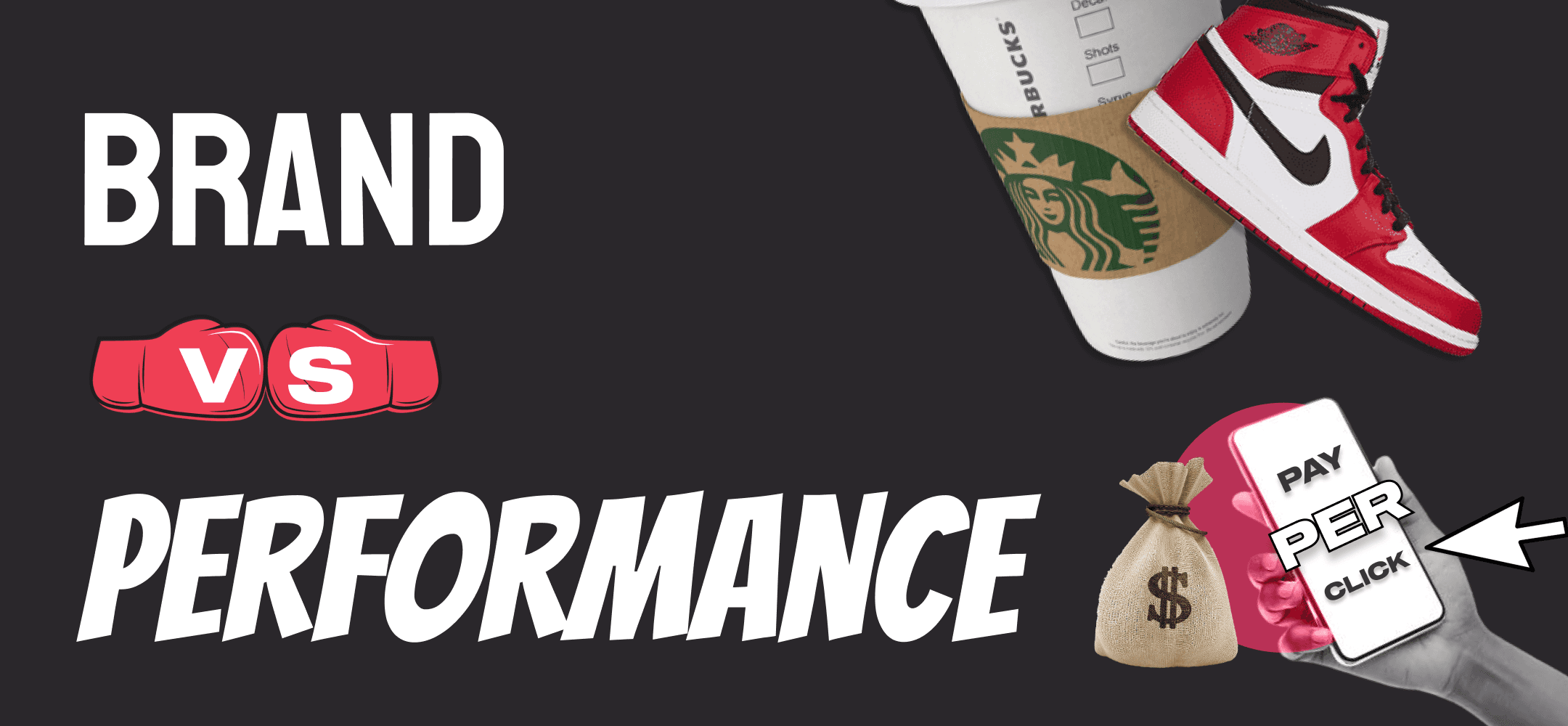
Invest in branding or performance marketing when you're a smaller company?
In today's world, where there is strong competition in the market and customers are becoming more demanding, it is crucial for small businesses to choose the right marketing strategy. The two main directions that companies can take are brand marketing and performance marketing. Both approaches have their advantages and are effective in different situations. In this article, we will look at each of these approaches and discuss how they can help small and medium-sized businesses achieve their established goals.
Brand Marketing
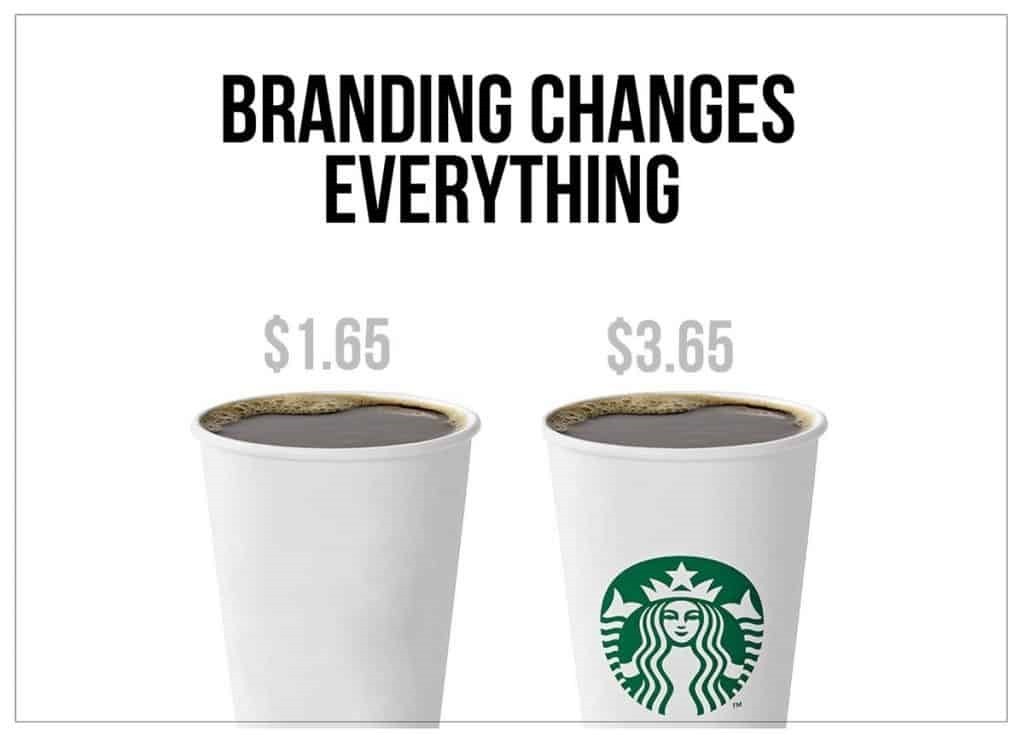
Brand marketing focuses on building and strengthening brand identity. The goal is to establish a long-term relationship with customers that is based on the values, vision, and mission of the company. This approach does not focus solely on selling a specific product or service, but on the overall impression that the brand leaves.
Advantages of Brand Marketing
Trustworthiness and customer loyalty: Thanks to a strong brand, customers will appreciate the company more and remain loyal even in a competitive environment.
Greater competitive advantage: A strong brand creates uniqueness that differentiates it from the competition.
Long-term results: Investing in brand marketing can ensure a long-term and stable impact on customers.
Opportunity to expand: A strong brand has better prospects for easier expansion of the range of products or services.
Disadvantages
A type of marketing that is harder to measure. (It can be done without large expenditures. But we'll discuss that in one of the upcoming articles.)
Results take time. Don’t expect to be popular with your brand within a month.
You need to work hard and set everything up properly from the start, which can be tedious and time-consuming for some.
Performance Marketing
Performance marketing is the exact opposite of brand marketing. The emphasis is placed on achieving specific goals through measurable and immediate results. This type of marketing often focuses on specific actions, such as purchases, clicks, subscriptions, or app downloads.

Advantages of Performance Marketing
Measurability: The ability to accurately measure return on investment and campaign performance.
Flexibility and optimization: Strategies can be easily adjusted and budgets allocated based on data and results.
Quick responses: Results are visible immediately, allowing for reactions and optimizations in campaigns.
Focus on a specific target audience: The ability to focus on a specific group of potential customers based on their behavior and interests.
Disadvantages:
Constantly rising cost per click.
Increasing competition in search engines.
Cookies and data collection reduce the number of customers that show up in statistics.
After shutting down a performance campaign, there is a significant decline in sales.
Which approach to choose?
The right choice between brand marketing and performance marketing depends on the goals, budget, and nature of the company. An ideal strategy could be a combination of both approaches that takes into account the long-term building of brand identity while maximizing immediate results.
Tips on how to connect both approaches:
Brand marketing as a foundation: Start by building a strong brand and awareness. Investing in brand marketing will serve as a foundation for long-term growth.
Performance marketing for quick results: Use performance marketing tools to achieve immediate results and growth. This can help fund long-term investments in brand marketing.
Data tracking: Analyze data from both approaches and investigate which strategies work best. Optimize your campaigns based on these insights.
Reach the right target audience: Leverage performance marketing to accurately target your audience and then build a relationship with them through brand marketing.
A tip from WeBetter that works:
The ideal budget allocation for a startup or small business is: allocate 80% of the budget to performance marketing, which will secure funds from sales. You can then invest that into product or service development and allocate 20% to the mentioned brand.
Set aside a portion of every profit and invest in your brand step by step. Gradually, this distribution can balance out until your company can stand solely on brand communication.
In conclusion
There is no clearly right or wrong answer to whether to invest in brand or performance marketing. Both approaches have their place and can be interlinked for maximum effect. It is important to carefully consider the company’s goals, budget, target audience, and long-term strategy. However, if you are just starting, definitely do not rely solely on brand. Similarly, we would not recommend investing only in performance marketing.
With a well-thought-out combination of these two approaches, small businesses can achieve long-term success in a competitive market.