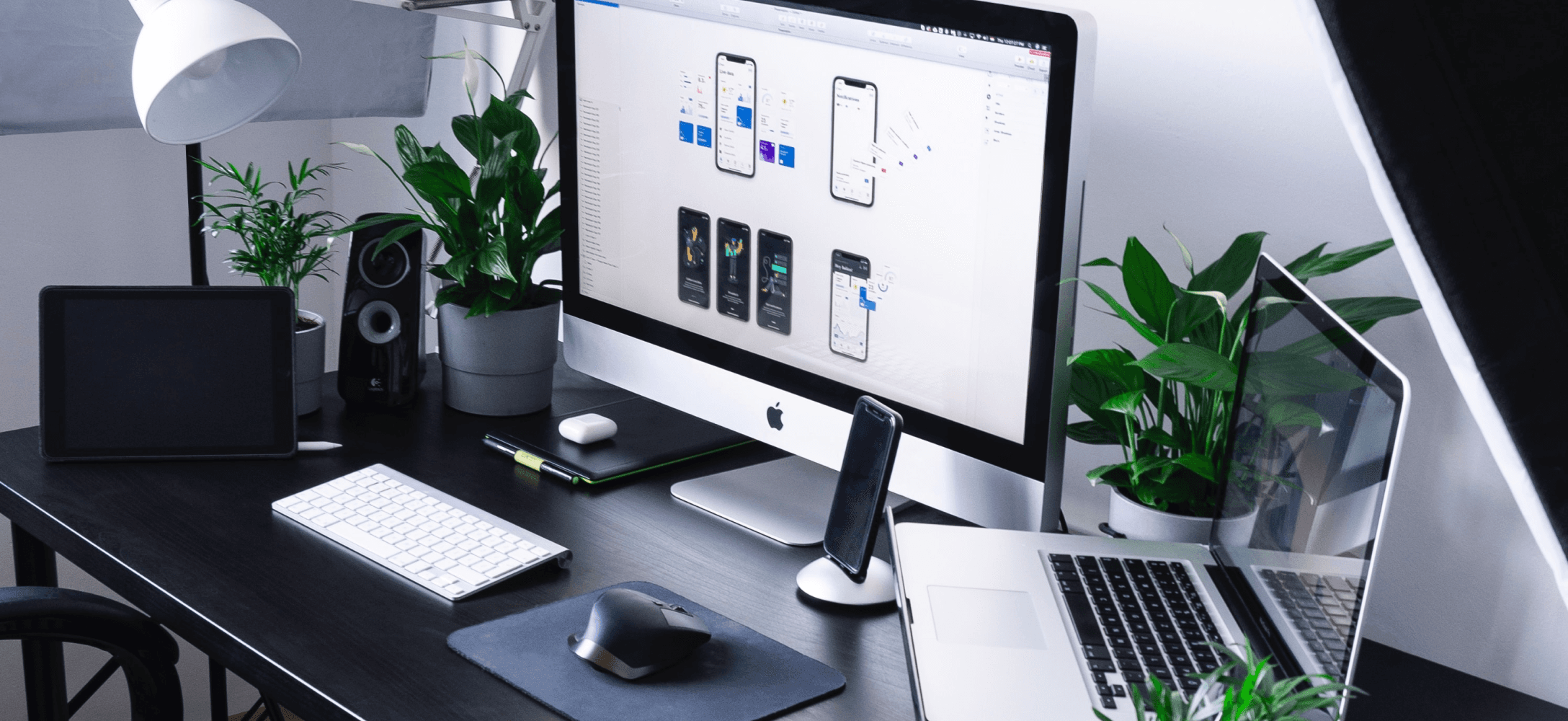
How to fight chaos in the design world?
A design system is a strategic approach to creating and managing design elements that serves to ensure a consistent and effective presentation of a brand or product across various channels and platforms. It is a comprehensive set of rules, patterns, components, and guidelines that allow designers and marketers to create coherent and accurate visual experiences for users.
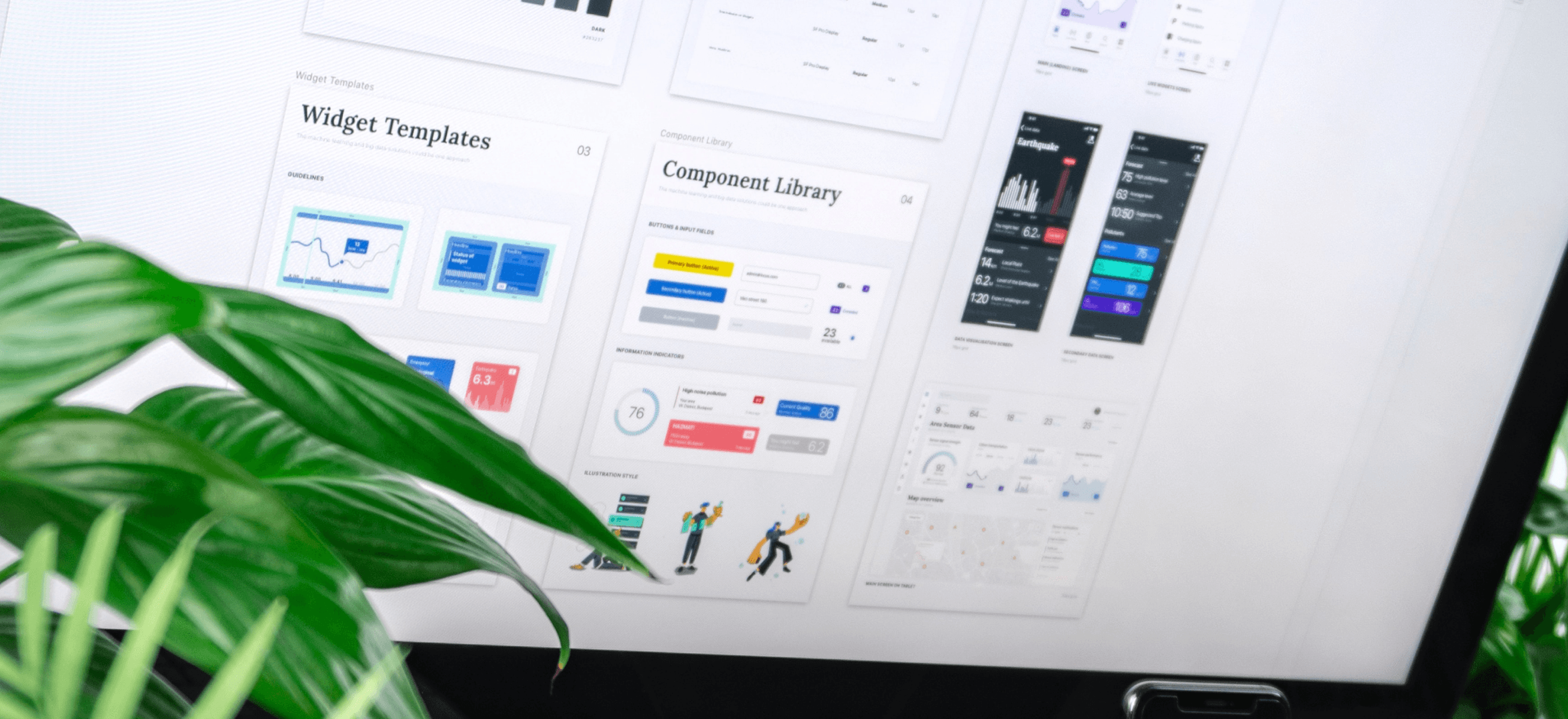
Why is the Design System important?
Consistency and Brand Identity
One of the main reasons is to maintain the consistency of the brand's visual identity. Defining a unified style, colors, typography, and other design elements helps create a strong and easily recognizable brand identity. Consistent brand presentation leads to building trust and loyalty among customers.
Efficient and Fast Content Creation
A design system simplifies the content creation process. With carefully crafted templates and components, designers and marketers can quickly and efficiently create new content without the need for repeated design. This allows for quick responses to current events and trends.
Better Collaboration and Communication
A design system facilitates collaboration among designers, developers, and other team members. Everyone works with unified rules and components, leading to better understanding and information sharing. This reduces the risk of misunderstandings and prevents the creation of inconsistent content.

Reduction of Time and Financial Costs
Investing in a design system may initially seem like an expensive undertaking. However, in the long run, it brings savings in both time and money. Reducing the time required for content creation and minimizing errors during implementation leads to lower costs for redesign and maintenance.
Flexibility and extensibility
A design system is flexible and scalable. It can adapt to the new needs of a brand or new market trends. This allows the brand to grow and develop without having to start from scratch.
How to start working on a Design System?
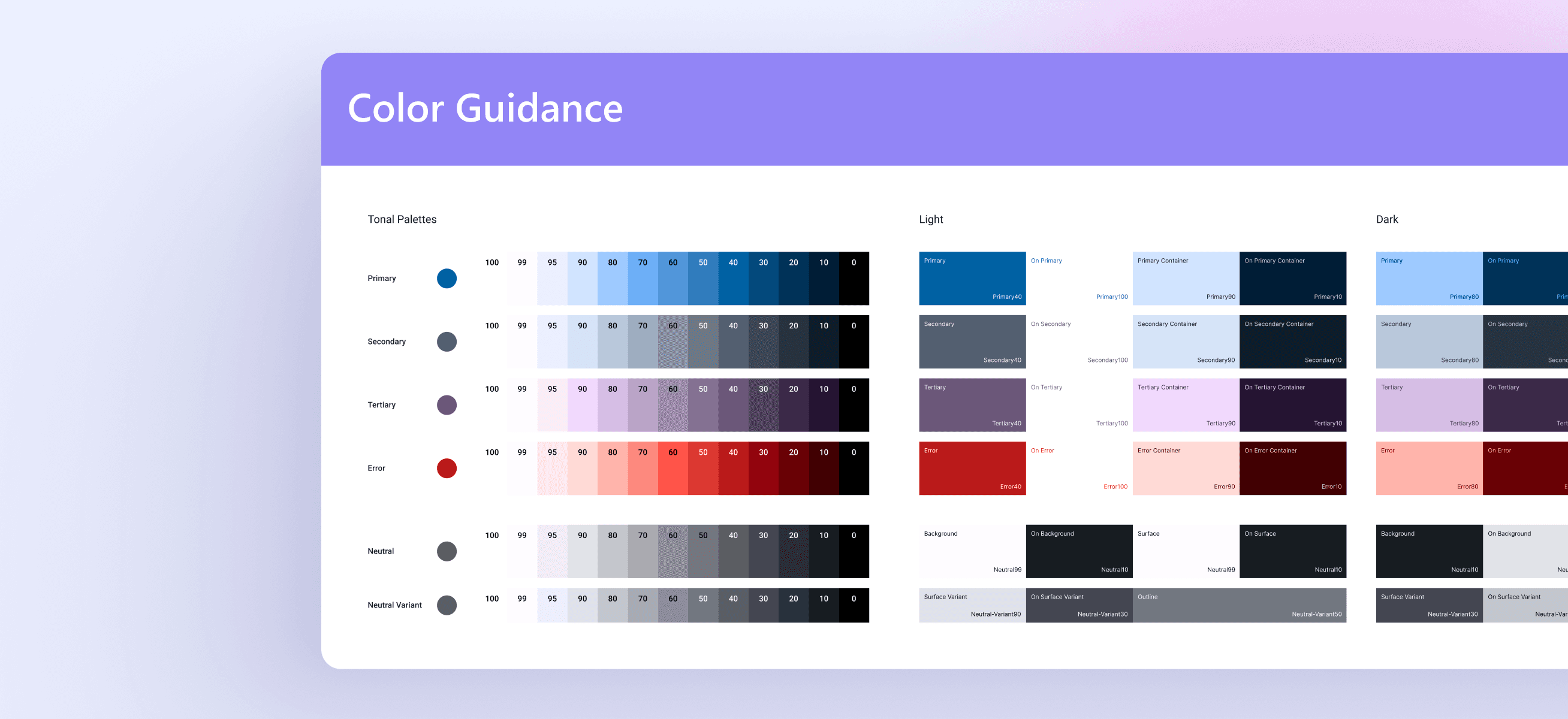
Define the Visual Identity of the Brand
Establish clear rules for colors, typography, logos, and other design elements. Ensure that these rules reflect the values and mission of your brand.
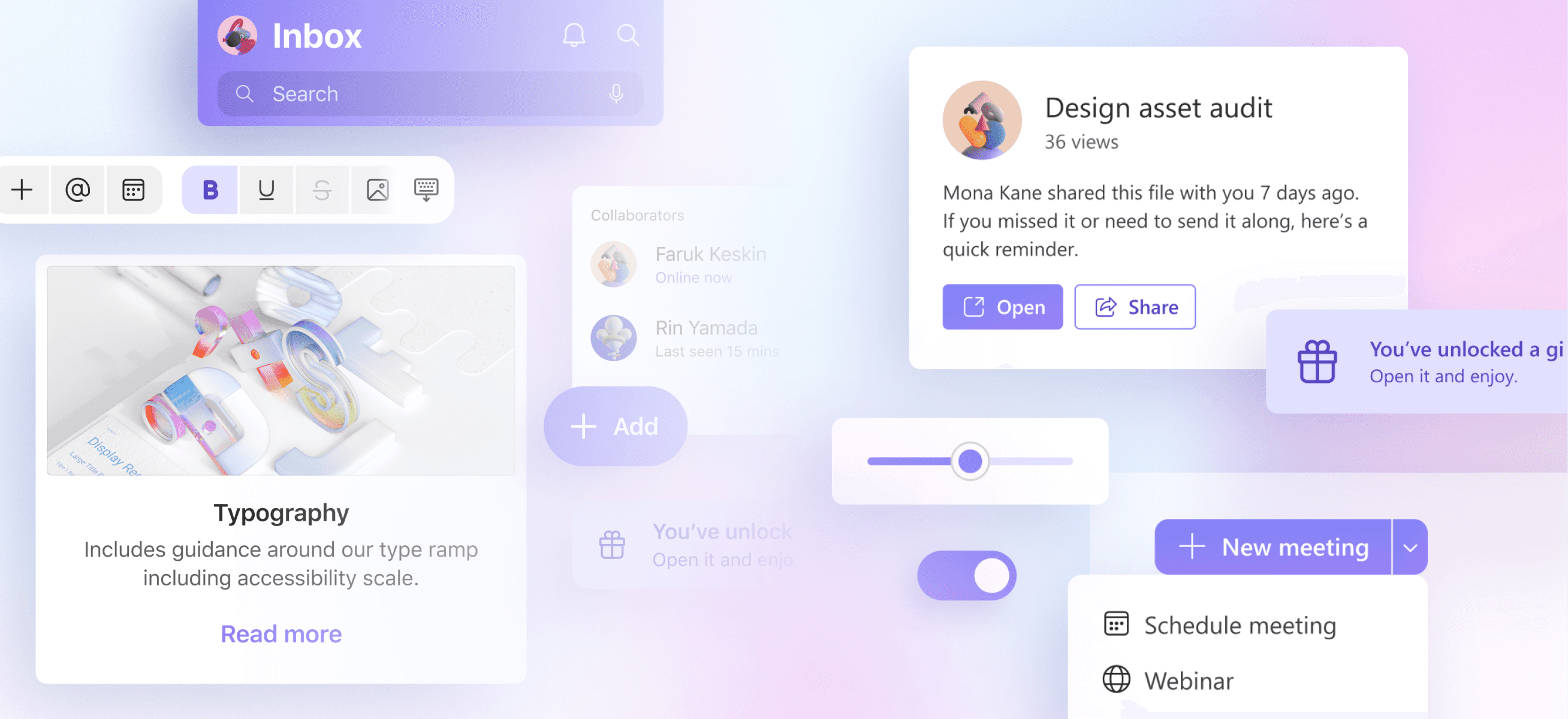
Create a library of components
Create a library of design components that designers and developers can easily use to create new content. Include frequently used elements such as buttons, icons, forms, and more.
Communicate and Implement the Design System
Ensure that all team members are informed about the design system and its usage. Introducing new rules and components may require training and support.
Continuous optimization
A design system is not static, so regularly optimize and update it according to needs and based on user feedback. Keep an eye on trends and technological innovations and adapt the design system to new challenges.
Examples from practice
Why not start creating a design system right away
Building a design system takes a lot of time and energy, which is better spent on the product itself and focusing on it and your creativity in the early stages. It is also good to consider whether you really need a design system if you have a small project where not many components are necessary; it is better to just create a style guide.
What to do if I am creating a design system for the first time
Of course, it's best to collaborate with someone who already has similar experience. However, if there's no one like that, it's good to go through large design systems that are available for free and often have documentation where everything is nicely explained. From them, you can gain much more than just how to build a design system.
Continuous Development
Unfortunately, it is not possible to create a perfect system that can withstand the test of time. It needs to be continuously developed and adapted to the product and all its requirements. As your design system grows, you may need a designer and later a whole team for its maintenance and further development.
Keep learning
Of course, it's best to collaborate with someone who already has similar experience. However, if there's no one like that, it's good to go through large design systems that are available for free and often have documentation where everything is nicely explained. From them, you can gain much more than just how to build a design system.

What brands have a great design system?
Check out, for example:
Airbnb https://airbnb.design/building-a-visual-language/
Uber https://base.uber.com/6d2425e9f/p/93825b-welcome-to-base
Google https://m3.material.io/
Microsoft https://fluent2.microsoft.design/