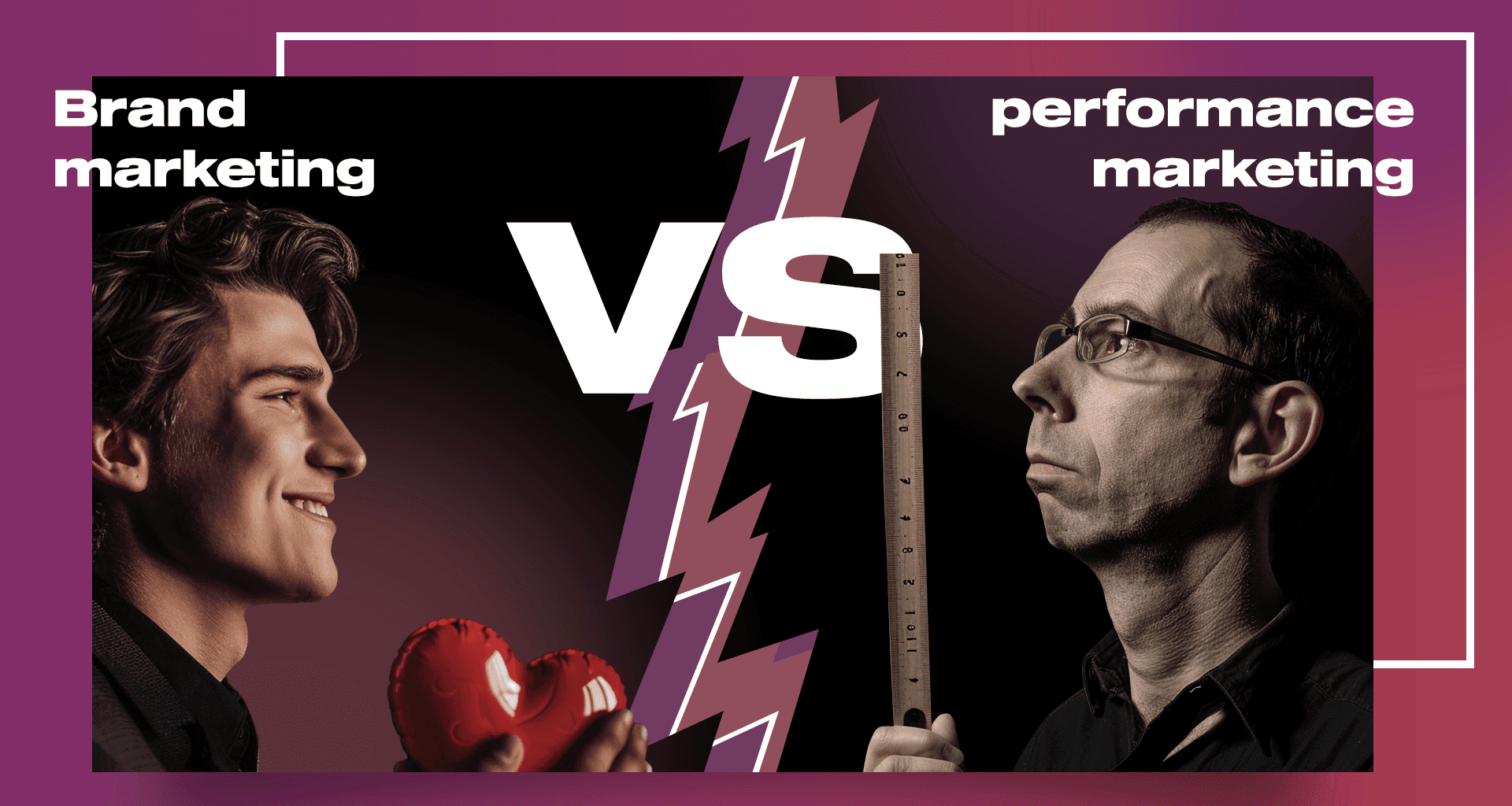
Recently, we have been observing a troubling trend in the e-commerce sphere. Small and medium-sized online shops, which have long focused exclusively on performance marketing, are facing increasing financial difficulties due to rising competition and the arrival of large foreign players or marketplaces. For many of them, the situation is becoming unsustainable, and they are at risk of bankruptcy. What is behind this? And how can this trend be stopped?
The Double-Edged Sword of Performance Marketing
Performance marketing has long been a key tool for the growth of online shops. Thanks to direct measurement of return on investment (ROI), it has become a favored approach that allows for quick results. However, an excessive focus on performance and neglecting the brand can ultimately be fatal.
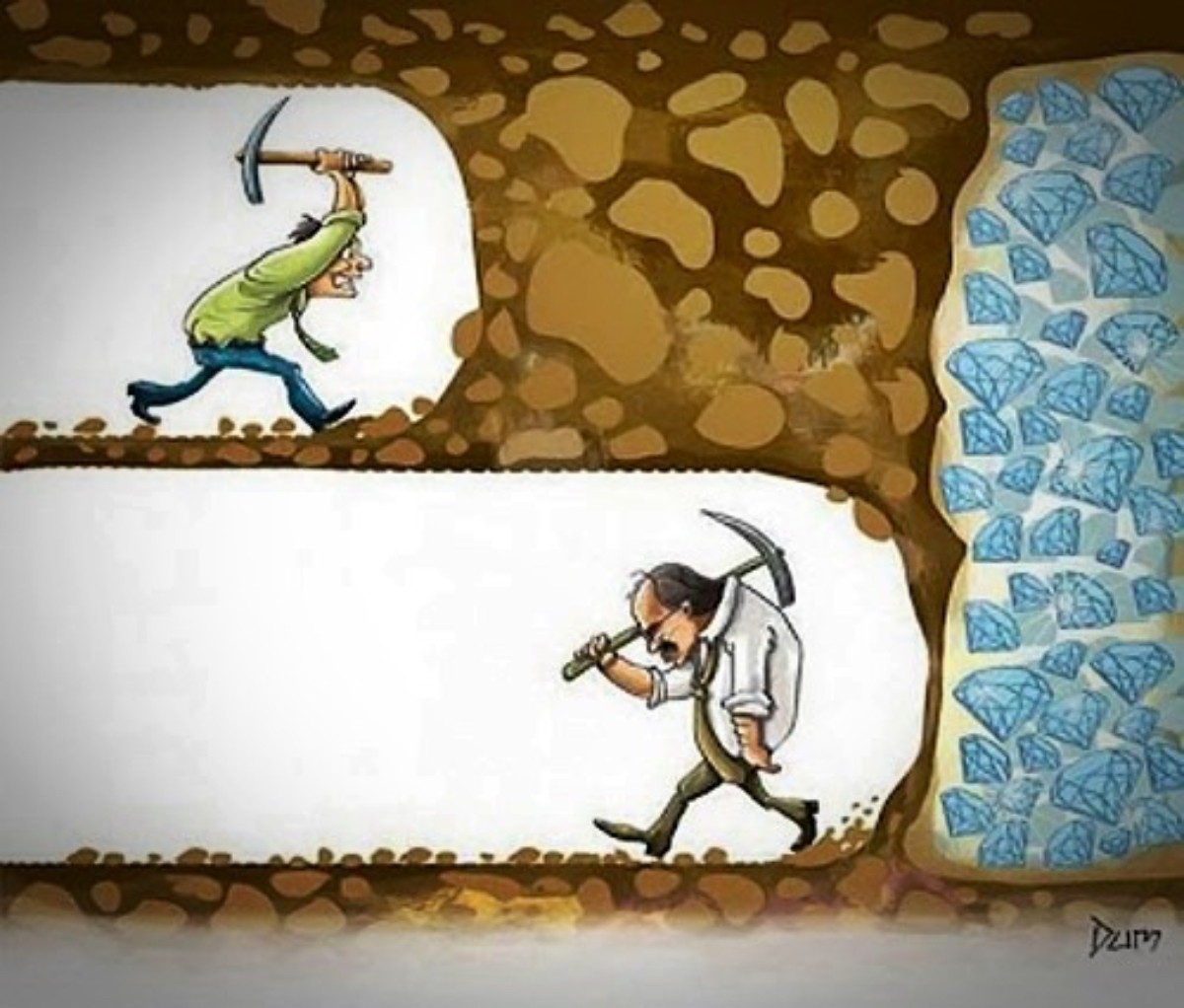
The Problem with Short-Term Thinking
Online shops that focus solely on performance marketing often prioritize short-term goals at the expense of long-term growth. Once customer acquisition costs start to rise, which is increasingly common nowadays, their margins begin to thin. As a result, businesses that do not invest in brand building lose strength and become vulnerable to competition.
How Performance Measurement Distorts Reality
Another important aspect that cannot be overlooked is the issue of measurement in online marketing. Although the measurability of performance marketing is an advantage, we often encounter significant discrepancies in numbers across platforms in practice. Each platform, whether it's Google Analytics, Meta, Google Ads, or others, tries to claim as much credit as possible for the success of a campaign. This leads to a situation where the data we see in different analytical tools often does not match, and the actual results are different again.
This difference in reported results can be very confusing for online shops. Instead of having a clear view of return on investment and the true impact of campaigns, companies may find themselves in a situation with distorted information. As a result, they make decisions based on incomplete or inaccurate data, which can lead to improper budget allocation and further financial difficulties.
Here again, we arrive at why it is important to have not only a short-term but also a long-term strategy. A strong brand and relationships with customers are aspects that are not dependent on what analytical tools show us. Investment in brand building brings value that goes beyond what can be measured immediately and creates a stable foundation for future growth.
Why is Brand Building the Key to Long-Term Success?
Brand marketing, unlike performance marketing, focuses on building an emotional relationship with customers. Its goal is to create a strong and recognizable brand that stands out from the competition and fosters loyalty among customers.
1. Building Trust and Loyalty
Customers are becoming increasingly demanding and have many options to choose from. A strong brand evokes trust and allows customers to identify with its values. This leads to repeat purchases and higher loyalty, which is something that mere performance marketing cannot guarantee.
2. Resilience Against Competition
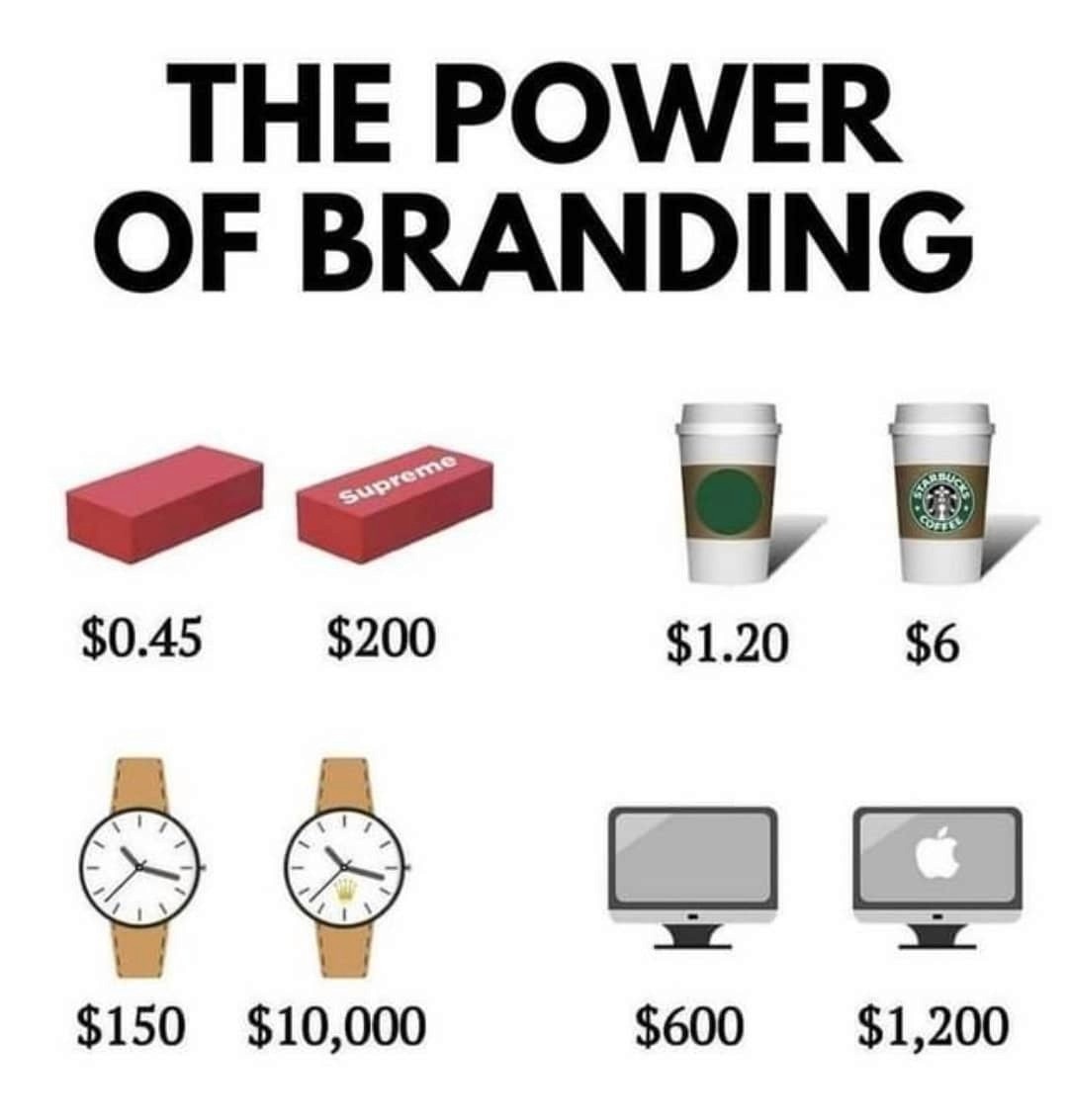
At a time when competitive pressure is increasing, a strong brand is incredibly valuable. Online shops that invest in building their brand are more resilient to price wars and can afford to set higher prices. Brand marketing enables them to sell not just products but also the story and values behind them.
3. Differentiation in a Crowded Market
In a crowded online market, it is difficult to stand out solely through performance campaigns. Investment in branding allows online shops to differentiate themselves from others, not just visually, but also in how they communicate with their customers. Well-chosen branding can be what determines success or failure in the market.
How to get Started with Change?
For online shops and other projects in the online environment, which have so far focused only on performance, the transition to brand marketing can be a challenge. Here are several steps that businesses can take – everything depends on the brand/company strategy:
Definition of Brand Values - Every brand should have clearly defined values that it wants to communicate to its customers. These values should be authentic and reflect what sets the company apart from the competition.
Consistent Communication - One of the key components of long-term success is consistent communication. The brand should have a unified tone, visual style, and manner of addressing its customers across all channels.
Focus on Customer Experience: Brand marketing is not just about outward communication, but also about how customers feel at every contact with the brand. Improving the customer experience can be crucial for building a strong brand.
Long-Term Strategy: Unlike performance marketing, building a brand requires patience and long-term planning. It is important to remember that results may not come immediately, but investment in the brand pays off in the long run. And it can be measured too! :)
Examples from practice in the CZ & SK scene, where they thought about it from the very first moment and it paid off greatly
Footshop:
Footshop is a great example of how to connect a product with culture and community. Since its founding in 2011, the company has focused on the sneaker subculture and streetwear, organizing numerous community events, exhibitions, and collaborations with both local and global artists. Footshop has also created a strong presence on social media, with over a million followers across 17 countries. Through these activities, it has become a cult brand not only in the Czech Republic but also throughout Central and Eastern Europe.

Collaboration Footshop x Adidas originals
Gymbeam:
Gymbeam focuses on the fitness community and builds a strong brand through quality content shared on social media and its blog, along with a robust and highly developed influencer marketing system. In addition to selling dietary supplements, Gymbeam engages in educating its customers, holding competitions, and motivating them to achieve their fitness goals. With this approach, Gymbeam has become a market leader in its segment and has a loyal customer base.

Aktin:
Aktin specializes in nutrition, healthy lifestyle, and fitness. The company invests in creating quality content aimed at educating and inspiring customers. Through articles, podcasts, and social media, Aktin builds a community of people interested in a healthy lifestyle. This approach helps the company not only to sell products but also to strengthen relationships with customers who identify with its values. They have also recently opened their first Aktin store in Karlín!

Aktin focuses heavily on so-called MEME marketing in communication.
Brainmarket:
Brainmarket emphasizes products that support health and mental well-being. The company distinguishes itself by educating customers about the benefits of natural dietary supplements and healthy nutrition. By building a community around a healthy lifestyle, holding seminars, and sharing expert content, it gains the trust and loyalty of its customers.
Ovečkárna:
Ovečkárna focuses on traditional sheep wool products and natural materials. The company uses the power of storytelling about a return to traditional values and natural materials, which is a key aspect of its brand marketing. Ovečkárna also actively communicates with its community through social media, and customers appreciate the company's authentic approach to sustainability and quality.
AngryBeards:
AngryBeards is a brand focused on men's grooming (and other products), which quickly gained popularity thanks to its bold and humorous approach to communication. The company creates content that entertains and attracts attention, helping it build a loyal community. In addition to products, AngryBeards focuses on lifestyle marketing that resonates with younger customers.

Flow Nutrition:
Flow Nutrition positions itself as a brand for true biohackers interested in optimizing their health and performance. The company offers functional dietary supplements emphasizing quality, scientifically backed composition, and innovative approaches to nutrition. Thanks to its expert focus and active community interested in biohacking and improving quality of life, Flow Nutrition earns the trust of demanding customers seeking top-quality products that support their health and performance.
Pepperfield:
Pepperfield, a brand focused on selling premium Kampot pepper, builds its brand on authenticity and direct connections with farmers in Cambodia. The company focuses on the story and origin of its product, appealing to discerning customers who seek quality and ethically sourced ingredients. Pepperfield also actively communicates on social media and builds a community around gourmet cuisine + has many collaborations with other brands.

Trenyrkárna.cz:
Trenyrkárna.cz specializes in selling underwear for men and women and builds its brand on a playful and relaxed marketing approach, even though it is heavily driven by data and numbers. The company stands out by not being afraid to be funny and informal, which helps it reach a wide range of customers. CEO Ruslan Skopal is a key figure, often visible in media and at networking events, where he used to appear in various very memorable outfits so that everyone would remember him well.

A suit with Pokémon is awesome! :D
Conclusion
Small and medium-sized e-shops and online projects face a challenge that requires a change in the current approach. Focusing solely on performance is no longer sufficient, especially in times of increasing competition and rising customer acquisition costs. Building a brand offers a solution that not only helps overcome current difficulties but also prepares e-shops for long-term success.
If you are looking for a partner to help you build a strong brand from the ground up, we are here for you. At WeBetter, we believe that a well-defined brand is the key to success at any time. We will help you create a strategy that sets you apart from the competition and secures your future in the market.