Converse
How we turned everyday social media interactions into real help for shelters
A problem that doesn't bark loud enough
Every year, thousands of dogs and cats end up in shelters across the Czech Republic. The reasons vary — impulsive ownership, life changes, or plain abandonment.
But shelters aren't just "temporary stops." For many animals, they mean months — sometimes years — of living there. That's where the quality of their daily reality is decided: care, food, health, and the chance of ever being adopted.
There are many ways to help shelters:
Pet adoption
volunteering
financial or material support
reach and engagement
Yet reach and engagement are often the things that actually move the needle.

Insight
CSR communication has a pattern problem. The topic is strong, the emotions are real, the intent is unquestionable — but the audience stays stuck in passive agreement. People see the post, think "this matters," maybe slow their scroll for a second — and move on. Not because they don't care about shelter animals. But because in a digital environment, the gap between "this resonates with me" and "I'll actually do something" is unnecessarily wide.
That was the core communication insight behind the entire campaign. If you want to move people from empathy to action, you can't ask them for one more complicated step. You have to let them help in a way that's native to social media — intuitive, instant, and immediately understandable. When the barrier is minimal and the impact is tangible, helping stops being abstract and starts becoming part of normal online behavior.
Client brief
1. Strategy
The strategic foundation was almost disarmingly simple: Turn engagement into tangible help.
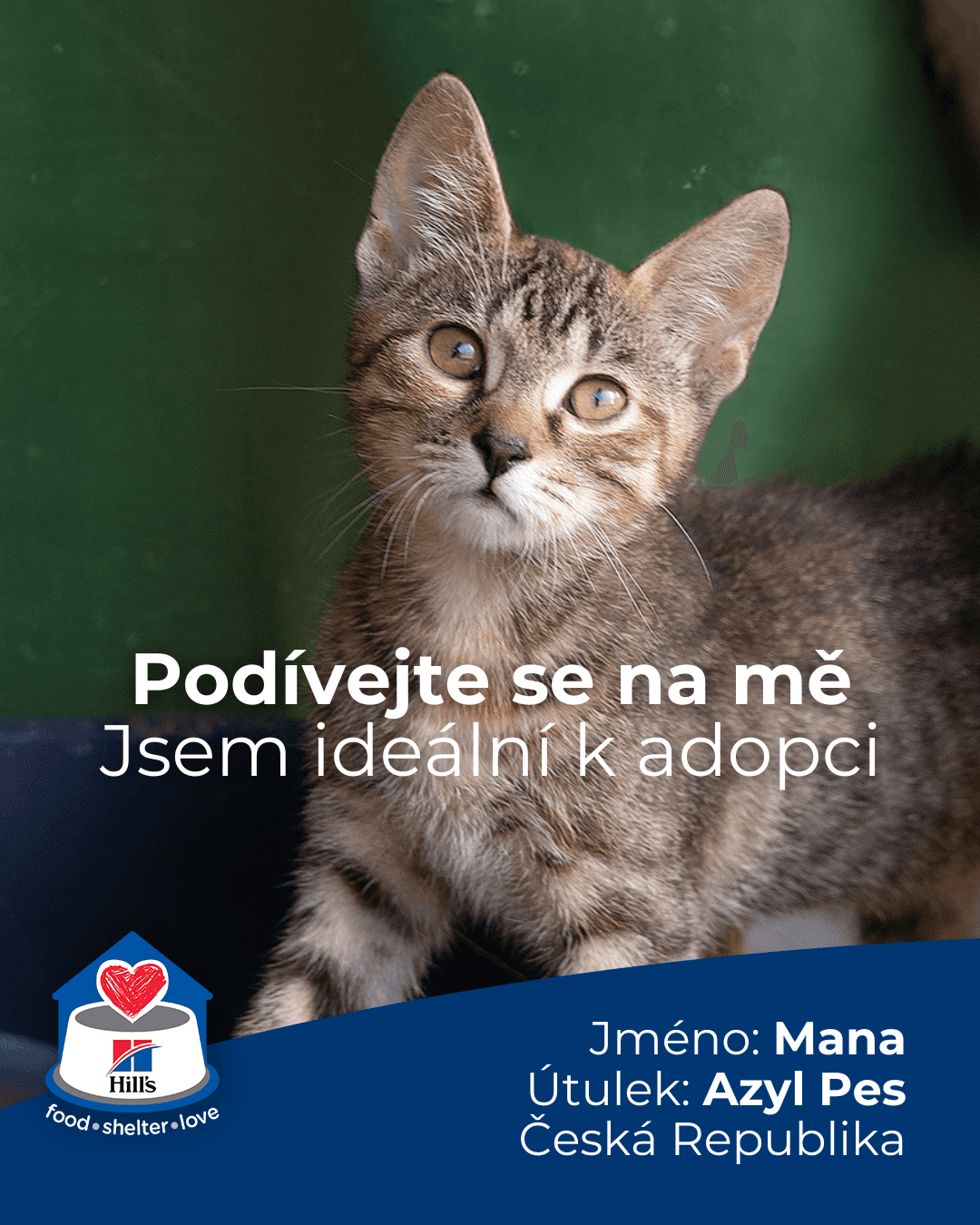
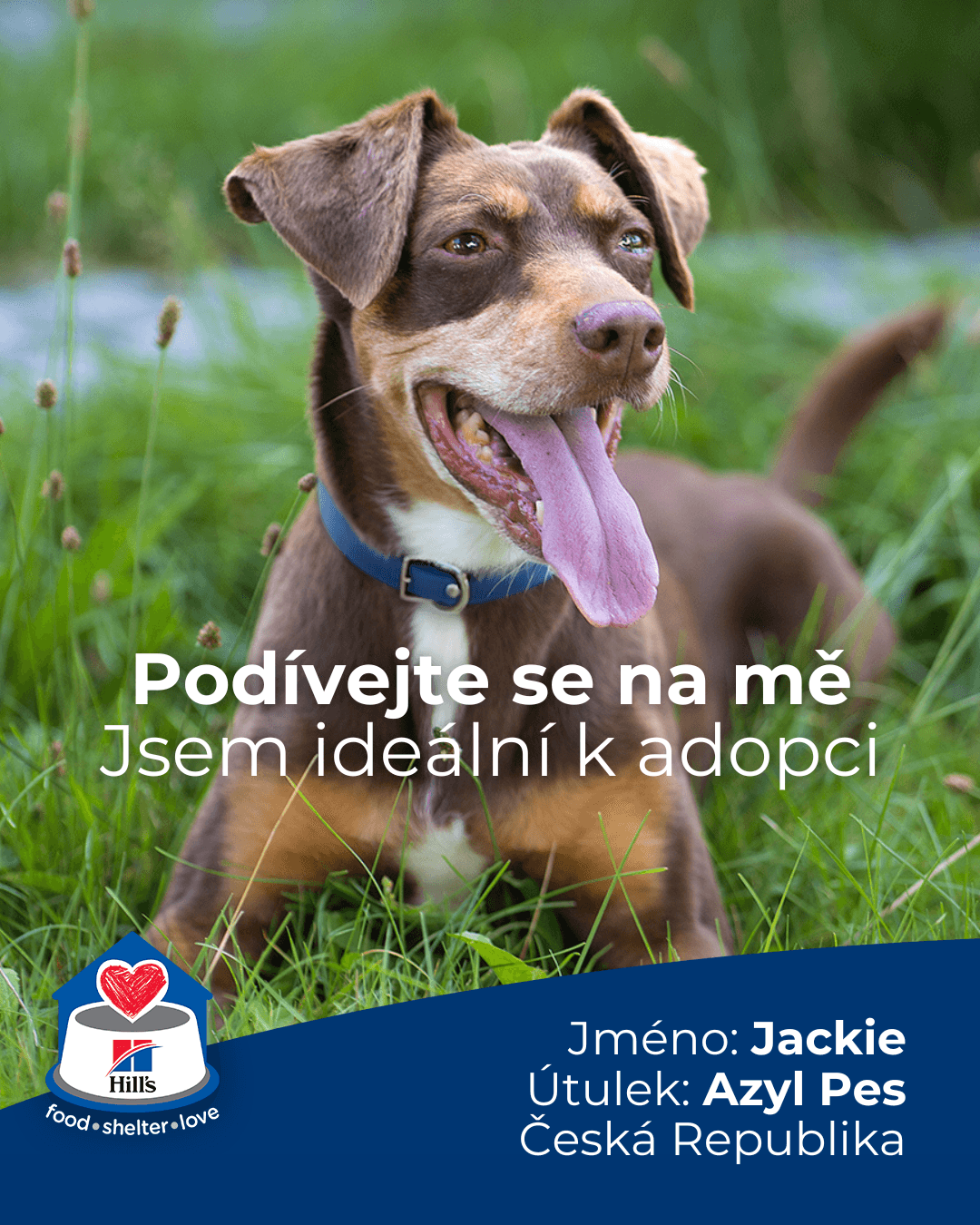
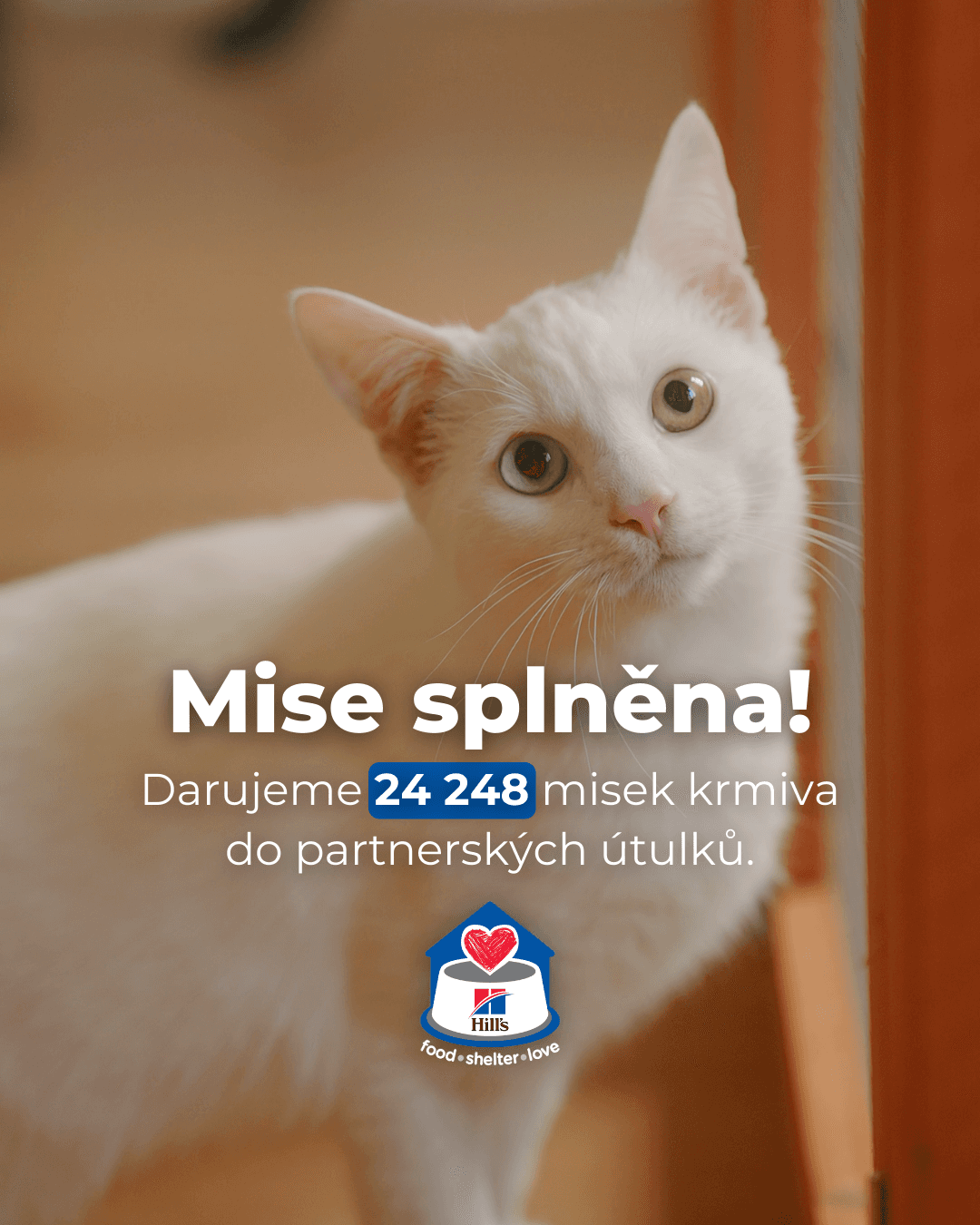
Every campaign post carried a clearly recognizable visual element and one straightforward rule — any interaction (like, comment, share, or save) equals one bowl of food for shelters. In that moment, engagement stopped being just an internal metric for the social team. It gained a meaning that both people and the brand could understand.
2. Content strategy
But for a mechanic like this to work across an entire month, you can't just announce it once. It needs a content ecosystem that continuously explains it, brings it to life, and gives people new reasons to interact.
We built the campaign on a combination of:
Real stories from shelters
Educational content (how to adopt, How to help..)
Emotional storytelling
Product integration (Hill's as the enabler)
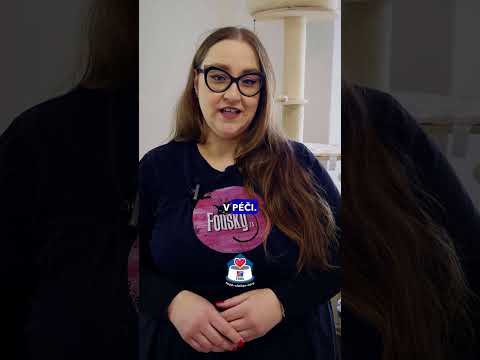
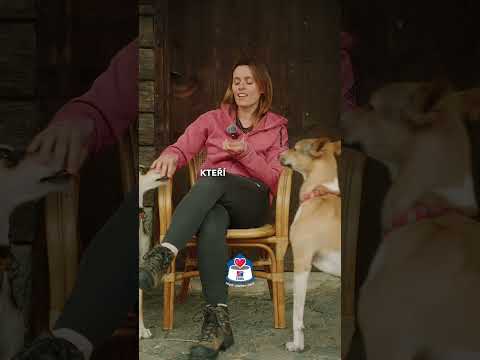
We directly involved two shelters — Cool Critters and Fousky — which gave the campaign authenticity and pulled it away from any sense of "brand styling."
3. Production
We produced a series of:
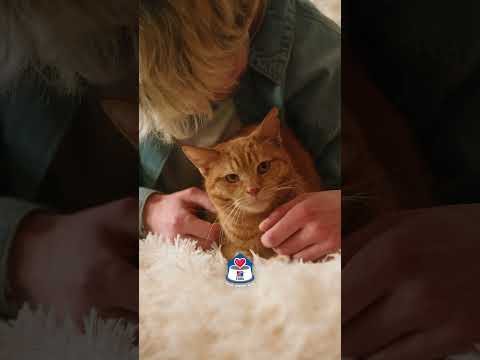
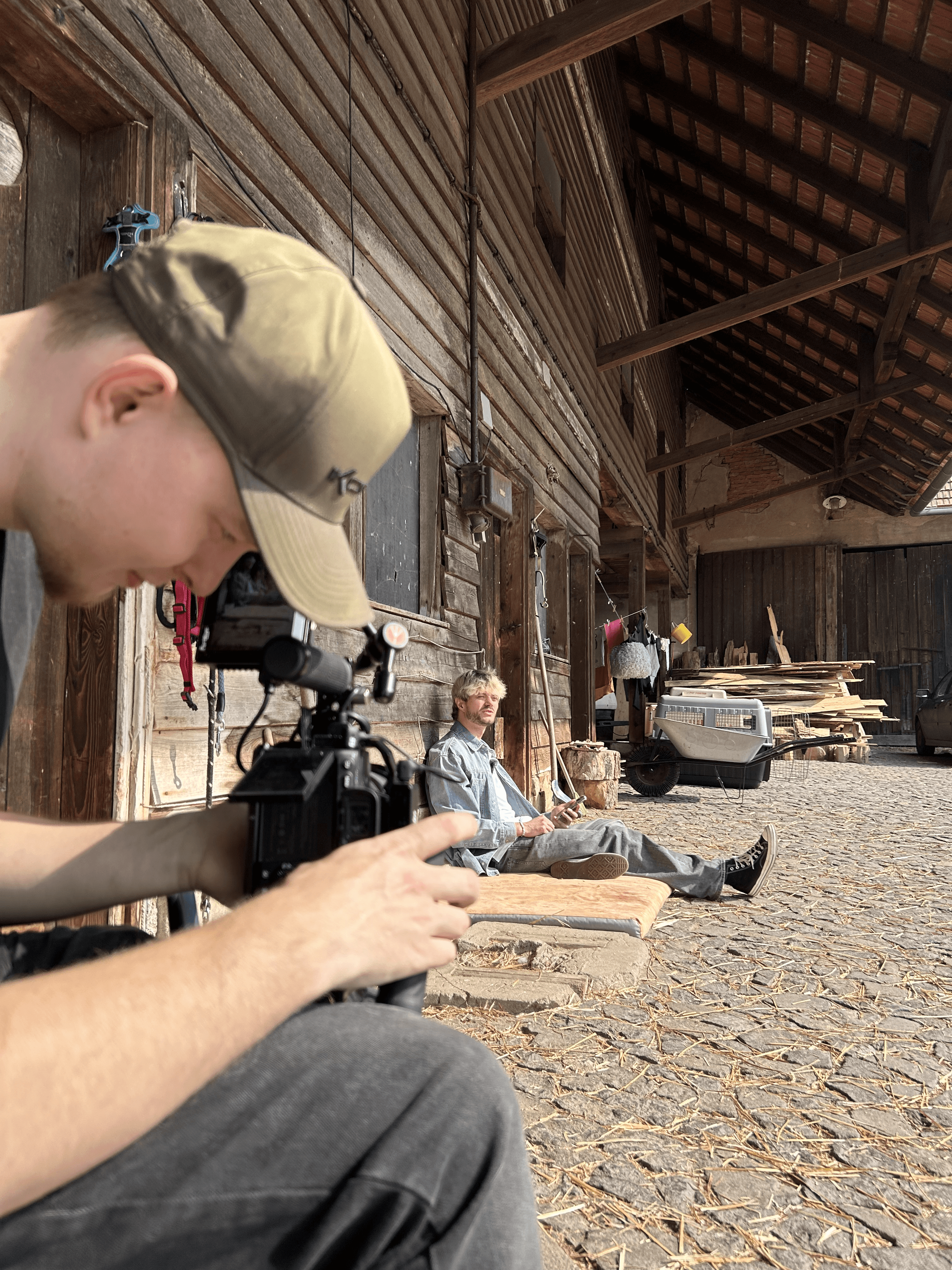
videos from shelters
educational posts
graphic posts
shortform content for stories
Together
13
unique IG & FB posts
30
IG stories
4
performance creatives
4. Influencer marketing
We approached influencers with the same pragmatism.
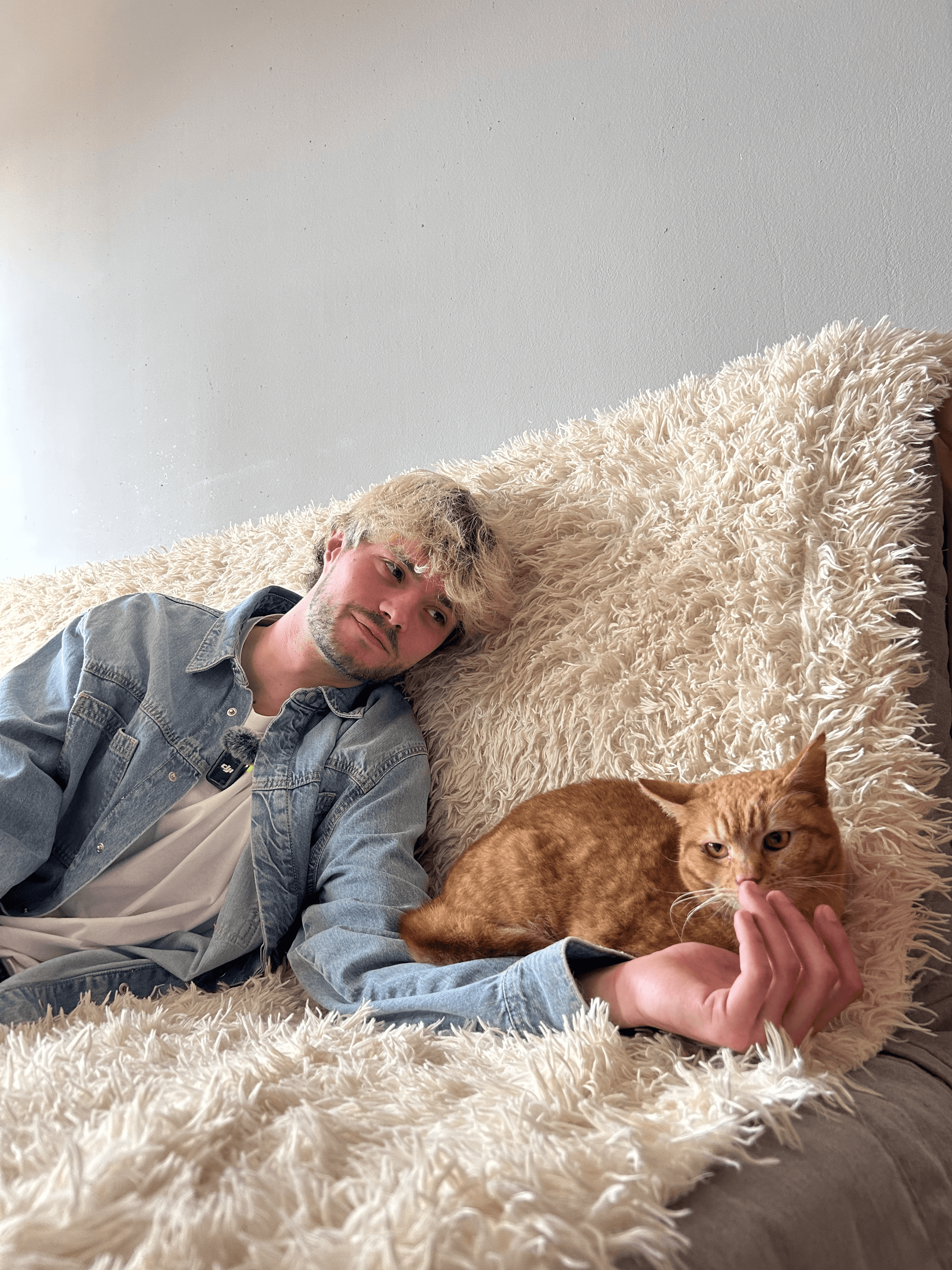
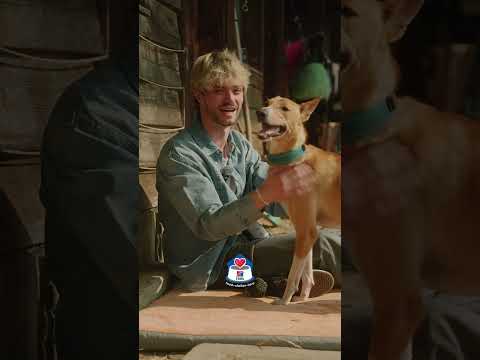
The goal wasn't to buy more reach — it was to extend the campaign through faces that could bring humanity, proximity, and credibility to the topic. We partnered with three influencers who created 6 unique video outputs and 15 story formats. Their content wasn't an add-on to brand outputs. It was a natural part of the entire communication system.
The data confirms this had real impact. Influencer outputs generated 3,594 interactions, with individual collaborations driving anywhere from hundreds to nearly two thousand interactions per output — plus over 250,000 impressions. The campaign didn't just live on the brand's profiles. It spilled into the creators' communities, gaining an additional layer of organic credibility. This is where it became clear: in a CSR campaign, a well-chosen influencer isn't a "reach carrier" — they're a relevance accelerator.
Interactions
Impressions

5. Performance & Distribution
One of the things campaigns like these consistently underestimate is paid distribution.
When the topic is strong, it's tempting to rely on organic reach and hope the content finds its audience on its own. We took a different approach.
How?
Paid distribution ensured the breadth and intensity of reach — but the actual food donation was built on specific campaign interactions, distributed across brand content, influencer outputs, the brand's veterinary profile, and the partner shelter profiles. This is an important detail. It shows the campaign wasn't built on a "pretty number from Meta Ads Manager" — it was built on a deliberate participatory mechanic.
Results
The real strength of this campaign from a brand purpose perspective?
Hill's didn't just talk about helping shelters. The brand translated it into behavior that was simple, clear, and immediately actionable for users. And that's what turned the campaign into something where people felt their participation genuinely mattered.
The numbers reflect that. The campaign itself generated 21,731 interactions — and after adding interactions from shelter profiles, the final count landed at 24,248. That's exactly how many bowls of food went to partner shelters in the Czech Republic and Slovakia. Add a 97% positive sentiment in comments, and it's clear the campaign delivered on performance while maintaining an exceptionally healthy quality of audience response.
For WeBetter, there's something else that matters about this project. It shows that a strong social campaign today doesn't come from one nice creative or one powerful claim. It comes from a well-read insight, a mechanic that matches how people actually behave on platforms, production that can carry emotion without pathos, influencers who bring credibility to the topic, and performance that gives the whole thing the volume it needs. Only when these layers come together does a campaign become something that delivers both brand impact and real societal impact at the same time.
Conclusion
Friends Forever 2025 is our benchmark for what meaningful CSR communication on social media should look like today.
Not a one-off story about a brand that helps — but a thought-through system where helping is embedded in the user action itself. That's the power of the whole campaign. People didn't have to change their online habits to do something good. They just needed to be pointed in the right direction — and have their interaction given a concrete meaning.
And that's where societal impact meets agency work. Because a good agency today doesn't just sell content or reach. It sells the ability to turn a brand idea into behavior that people adopt as their own. For Hill's, that meant one thing: everyday engagement stopped being just a metric in a report — and became real help where it's actually needed.
What drove the success
1.
2.
3.
4.
WeBetter role
End-to-end project delivery:
Creative concept adaptation and content strategy for social media
Social media management and content creation
Photo and Video production
Influencer marketing
Media Planning
Meta campaign distribution
Zaujali jsme vás?